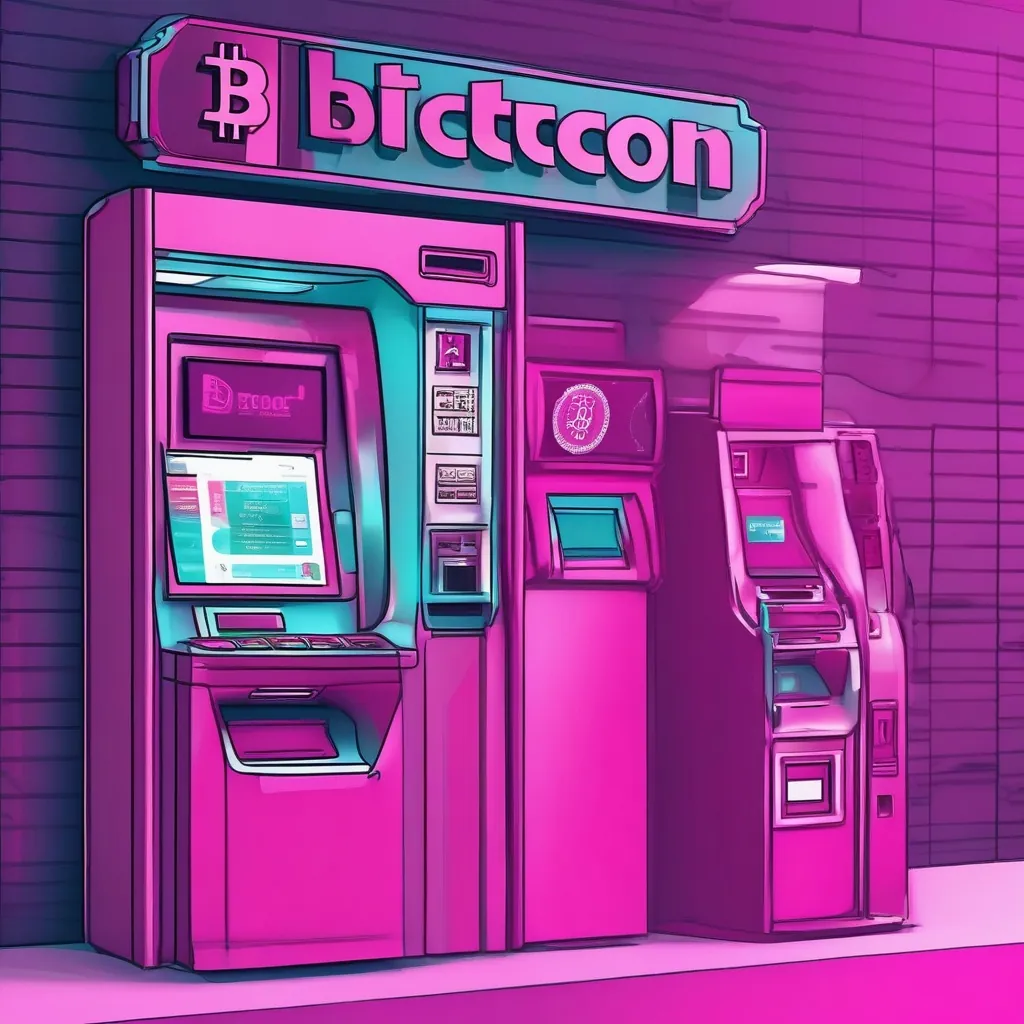

A Bitcoin ATM lets users buy (and sometimes sell) Bitcoin using cash or a debit card at a physical kiosk, sending the purchased crypto directly to a digital wallet — a convenient, in-person alternative to online exchanges, though typically at a meaningfully higher cost.
Key Takeaways
- Bitcoin ATMs let users insert cash (or in some cases a card) and receive Bitcoin sent directly to a wallet address, often via a QR code scan.
- Fees at Bitcoin ATMs are generally significantly higher than online exchanges, often in the range of several percent to over 10% per transaction.
- Most jurisdictions require identity verification for larger transactions, similar to compliance requirements at online exchanges.
- Having a wallet address (and the app to display its QR code) ready before visiting the ATM makes the transaction faster and reduces the chance of a mistyped address.
- Physical location and cash handling introduce security considerations distinct from online exchange use, worth factoring into the decision of whether an ATM is the right choice for a given purchase.
Our Take
Bitcoin ATMs fill a genuine, specific niche — providing crypto access for people without easy access to online banking or exchange accounts, or who simply prefer an in-person, cash-based transaction — but that convenience comes at a real cost, since ATM fees are typically substantially higher than what an online exchange charges for the same purchase.
The practical calculation worth making before using one is straightforward: for someone who already has reliable access to an online exchange, a Bitcoin ATM rarely makes financial sense given the fee premium, but for someone without that access, or who specifically needs a cash-based option, the convenience can genuinely justify the added cost. Understanding that trade-off explicitly, rather than assuming an ATM is simply the ‘easy’ option with no downside, leads to a better-informed choice.
FAQs
Are Bitcoin ATM fees higher than online exchanges?
Generally yes, often significantly — Bitcoin ATM fees commonly range from several percent to over 10% per transaction, well above typical online exchange fees.
Do I need ID to use a Bitcoin ATM?
Most jurisdictions require identity verification for larger transactions, similar to compliance requirements at online exchanges, though thresholds vary by operator and location.
📎 Source: Learning Heroes — Cajero Bitcoin: ¿Cómo Funciona y Cómo Comprar Bitcoins en Ellos?