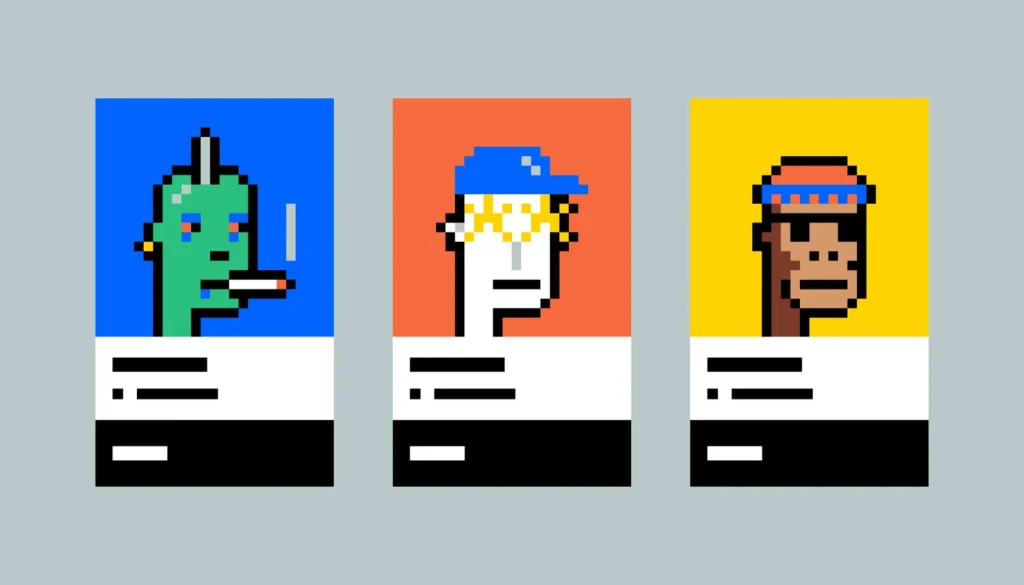

Generative art is art created with the assistance of an algorithm — an artist writes code that defines a set of rules and possible variations, then the program generates unique outputs, often thousands of them, each slightly different. Applied to NFTs, this pairs naturally with blockchain’s ability to mint and verify large collections of unique, provably scarce digital pieces in one drop.
Key Takeaways
- Generative art is created by an algorithm following artist-defined rules, producing many unique variations rather than a single handmade piece.
- Minting generative art as NFTs lets each output be registered as a unique, verifiably owned asset on-chain, often as part of a large collection minted in one drop.
- Some outputs from a generative algorithm end up rarer than others, based on how uncommon their specific traits are — connecting generative art to the broader concept of NFT rarity ranking.
- Generative art has a lineage predating crypto by decades (algorithmic and computer art movements go back to the 1960s) — NFTs gave the form a new distribution and ownership model, not a new artistic technique.
- The ‘art’ in generative art NFTs is really the code and rule-set itself, as much as any individual output it produces.
Our Take
What makes generative art NFTs a genuinely interesting case study, beyond the speculative attention they’ve drawn, is that they represent one of the cleanest matches between an artistic form and blockchain’s specific capabilities. Generative art was always about defining a system that produces many outputs; NFTs finally gave that system a native way to mint, verify uniqueness, and transfer ownership of each individual output at scale.
It’s worth separating the artistic merit of the form (which has a genuine, decades-long lineage in computer art) from the market dynamics of any specific collection’s price. A collection can be a technically and creatively interesting generative art project regardless of whether its floor price is currently up or down — conflating artistic and financial evaluation is a common source of confusion in how generative art NFTs get discussed.
FAQs
Is generative art new because of NFTs?
No. Generative and algorithmic art has existed since at least the 1960s. NFTs didn’t invent the art form — they provided a new way to mint, verify ownership of, and distribute generative art outputs at scale.
Why are some pieces from the same generative art collection worth more than others?
Individual outputs from a generative algorithm can vary in how rare their specific visual traits are within the collection, which is one factor (alongside aesthetics and demand) that can affect an individual piece’s relative value.
📎 Source: Coinbase Learn — What are generative art NFTs and why are they fascinating?